



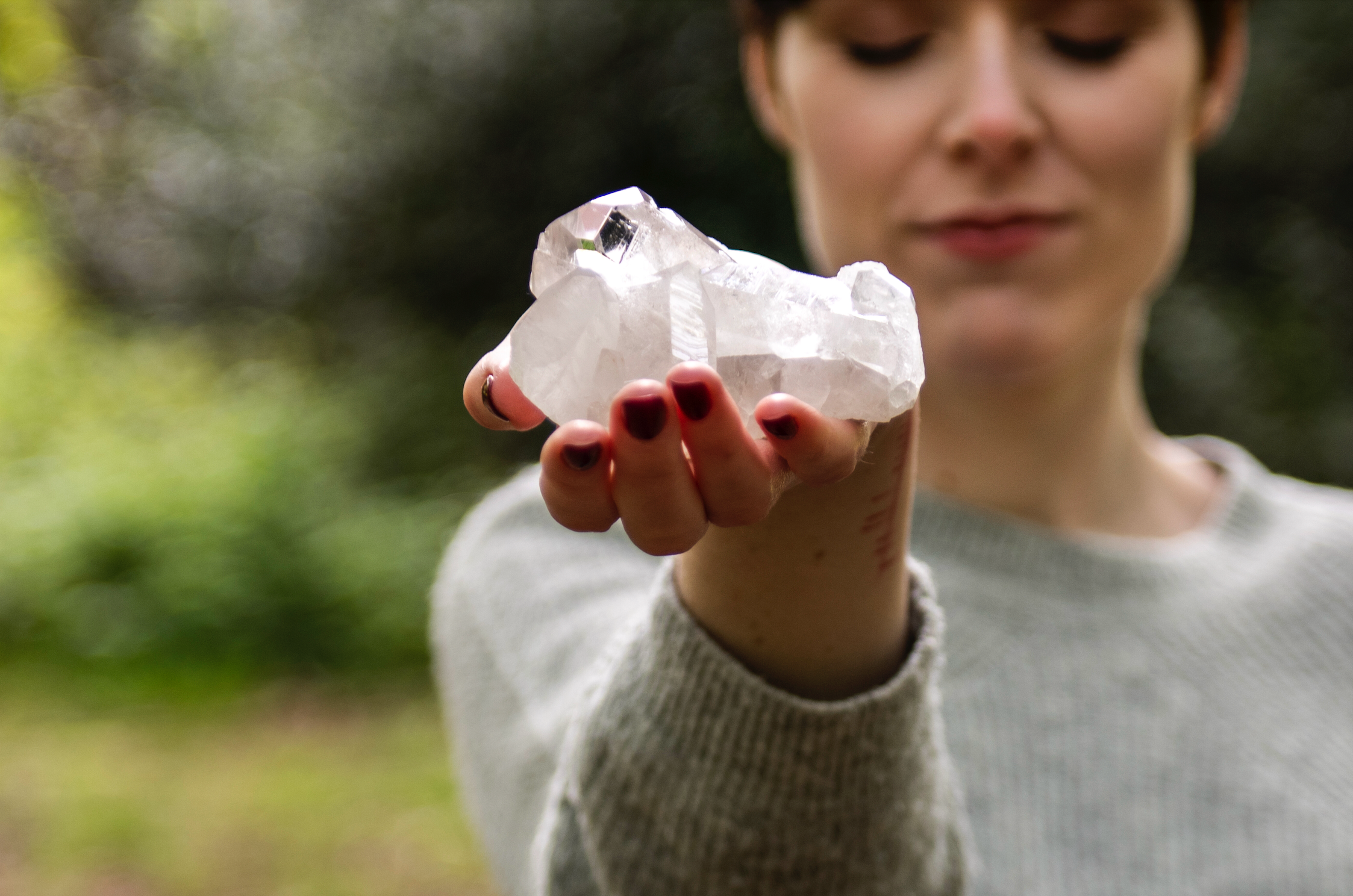
Many people start meditation to reduce stress and improve focus. Some also use crystals during meditation. These stones provide a physical point of attention. Holding a stone can help you stay present and maintain awareness during practice.
Beginners often feel unsure about where to start. The crystal world includes many stones with different meanings and uses. This guide explains how to choose crystals for beginners, how meditation stones support focus, and how to begin a simple crystal practice.
You will also learn how to select your first stone with confidence and how to use it during meditation.
What Is Crystal Healing
Crystal healing refers to the use of natural stones during meditation, reflection, or relaxation practices. People place crystals nearby or hold them while focusing on breathing or intention.
Scientific research on crystal healing remains limited. However, structured rituals and physical focus objects can improve concentration. Many meditation teachers encourage the use of grounding objects. These objects help keep attention on the present moment.
Crystals work well for this purpose. They are small, easy to hold, and visually distinct.
For beginners, the main benefit comes from focus and consistency. When you associate a stone with meditation, your brain links the object with calm and attention.
Why Meditation Stones Help Beginners
Meditation often feels difficult at first. Many people struggle with wandering thoughts. A meditation stone gives your mind something clear to focus on.
When you hold a stone during meditation, you engage multiple senses.
You feel the weight of the stone in your hand.
You notice the surface texture.
You see its color and shape.
This sensory awareness keeps attention grounded in the present moment.
A meditation stone can also support routine. When you see the stone on your desk or bedside table, it reminds you to pause and breathe.
Consistency matters more than complexity when starting meditation.
How to Choose Crystals for Beginners
Choosing crystals does not require advanced knowledge. Focus on three simple factors.
1. Start With Your Current Goal
Ask yourself what you want from meditation.
Common goals include:
• Stress reduction
• Emotional balance
• Mental clarity
• Better sleep
Different stones are commonly associated with these goals. When you match your intention with a stone, the practice feels more meaningful.
2. Choose One Stone First
Many beginners buy several crystals at once. This can create confusion.
Start with one stone. Use it daily for two weeks. Notice how the practice feels.
After you build consistency, you can explore other stones.
3. Pay Attention to Physical Comfort
Your meditation stone should feel comfortable in your hand. Smooth stones work well for beginners.
Look for stones that are:
• Small enough to hold easily
• Smooth on the surface
• Durable for daily use
Tumbled stones often work best for beginners.
Popular Meditation Stones for Beginners
Several crystals appear frequently in beginner guides. Each stone connects with a common meditation goal.
Clear Quartz for Focus
Clear Quartz is one of the most common meditation stones. Many beginners choose it because it works well for general focus and awareness.
Clear Quartz is often linked with clarity. During meditation, it serves as a neutral object for attention.
How to use it:
• Hold the stone in your palm
• Focus on slow breathing
• Notice the weight and temperature of the stone
Use Clear Quartz when you want a simple starting point.
Amethyst for Calm
Amethyst is often associated with relaxation and mental quiet. Many people use it during evening meditation.
If you struggle with racing thoughts before sleep, Amethyst may support your routine.
How to use it:
• Place the stone beside you while meditating
• Focus on breathing for five minutes
• Observe thoughts without reacting
Evening meditation with Amethyst can help prepare your mind for rest.
Rose Quartz for Emotional Awareness
Rose Quartz is commonly connected with emotional reflection. People often choose it when focusing on relationships or self awareness.
If your meditation goal involves emotional growth, Rose Quartz can serve as a useful reminder of that intention.
How to use it:
• Hold the stone near your chest
• Take slow breaths for five minutes
• Reflect on one positive interaction from your day
Short emotional reflection sessions build awareness over time.
Black Tourmaline for Grounding
Black Tourmaline is often used when people feel distracted or mentally scattered.
Many meditation guides link darker stones with grounding practices. Grounding focuses attention on the present moment.
How to use it:
• Sit upright with the stone in your hand
• Focus on breathing from the abdomen
• Count ten breaths slowly
This practice can help stabilize attention when your mind feels restless.
How to Prepare Your First Meditation Stone
Before using a crystal, many people prefer to clean it. Cleaning removes dust and prepares the stone for regular use.
Simple preparation steps include:
• Rinse the stone under clean water
• Dry it with a cloth
• Place it somewhere quiet overnight
Some people also set an intention when beginning practice.
Example intention:
I will use this stone to focus my breathing for five minutes each day.
Intentions provide direction for your meditation habit.

A Simple Meditation Practice With Your Crystal
Beginners benefit from short and consistent sessions. You do not need long meditation periods.
Try this five minute routine.
Step 1
Sit in a quiet place. Hold your stone in your palm.
Step 2
Close your eyes. Inhale for four seconds.
Step 3
Exhale for six seconds.
Step 4
Focus on the sensation of the stone in your hand.
Step 5
Repeat the breathing cycle ten times.
This routine takes about five minutes. Practice once daily.
After one week, increase to ten minutes if comfortable.
Common Mistakes Beginners Make With Crystals
Many beginners approach crystal healing with unrealistic expectations. Understanding common mistakes helps you build a stable routine.
Buying Too Many Stones
Start with one stone. Too many options create confusion.
Expecting Immediate Results
Meditation works through repetition. Focus on daily practice rather than quick outcomes.
Skipping Consistency
Short daily sessions produce better results than long occasional sessions.
Building a Daily Meditation Habit
Habits develop through repetition and structure. Pair meditation with a routine you already follow.
Examples include:
• After morning coffee
• Before bedtime
• After work
Place your meditation stone where you will see it often.
Visual reminders support consistency.
Social Media Post Ideas for JOY
Crystal meditation connects well with educational social media posts.
Post Ideas:
• 3 meditation stones for beginners
• How to start a five minute crystal meditation routine
• Clear Quartz benefits for focus
• Evening meditation with Amethyst
• Daily grounding practice with Black Tourmaline
Caption Structure:
• Ask a question about meditation habits
• Share one practical tip
• Suggest one crystal practice
• Invite readers to explore JOY crystal collections
Keep posts short and focused on one idea.
How Meditation Stones Support Personal Growth
Meditation encourages awareness. Awareness improves decision making and emotional balance.
Using a physical object strengthens this process. The stone becomes part of your daily routine.
When you see or hold the stone, it reminds you to pause. Over time, this simple cue strengthens mindfulness.
Regular meditation can support:
• Reduced stress levels
• Improved focus
• Increased emotional awareness
Small daily sessions create gradual change.
Choosing the Right Crystal Store
When buying crystals, choose a reputable source. Quality stones should be clearly labeled and ethically sourced when possible.
Look for stores that provide:
• Clear stone names
• Information about origin
• Proper packaging
Reliable sellers help beginners feel confident in their choices.

Frequently Asked Questions
How do I know which crystal is right for me
Start by identifying your meditation goal. Choose a stone linked with that goal. Clear Quartz, Amethyst, Rose Quartz, and Black Tourmaline are common beginner choices.
Do I need several meditation stones
No. One stone is enough for beginners. Focus on building a daily meditation routine first.
How long should I meditate with a crystal
Start with five minutes per day. Increase gradually to ten or fifteen minutes if comfortable.
Do crystals need to be cleaned regularly
Cleaning once every few weeks is usually enough. Rinse with water and dry the stone.
Can I carry my meditation stone during the day
Yes. Many people keep small stones in a pocket or bag as a reminder to pause and breathe.
Conclusion
Meditation becomes easier when you use simple tools. A meditation stone gives your mind a clear point of focus.
Choosing crystals for beginners does not require complex knowledge. Start with one stone that matches your intention. Use it daily during short meditation sessions.
Clear Quartz, Amethyst, Rose Quartz, and Black Tourmaline remain common beginner choices. Each supports a different meditation focus.
Keep your practice simple. Hold the stone. Breathe slowly. Repeat the routine each day.
Consistency builds awareness and calm over time.