



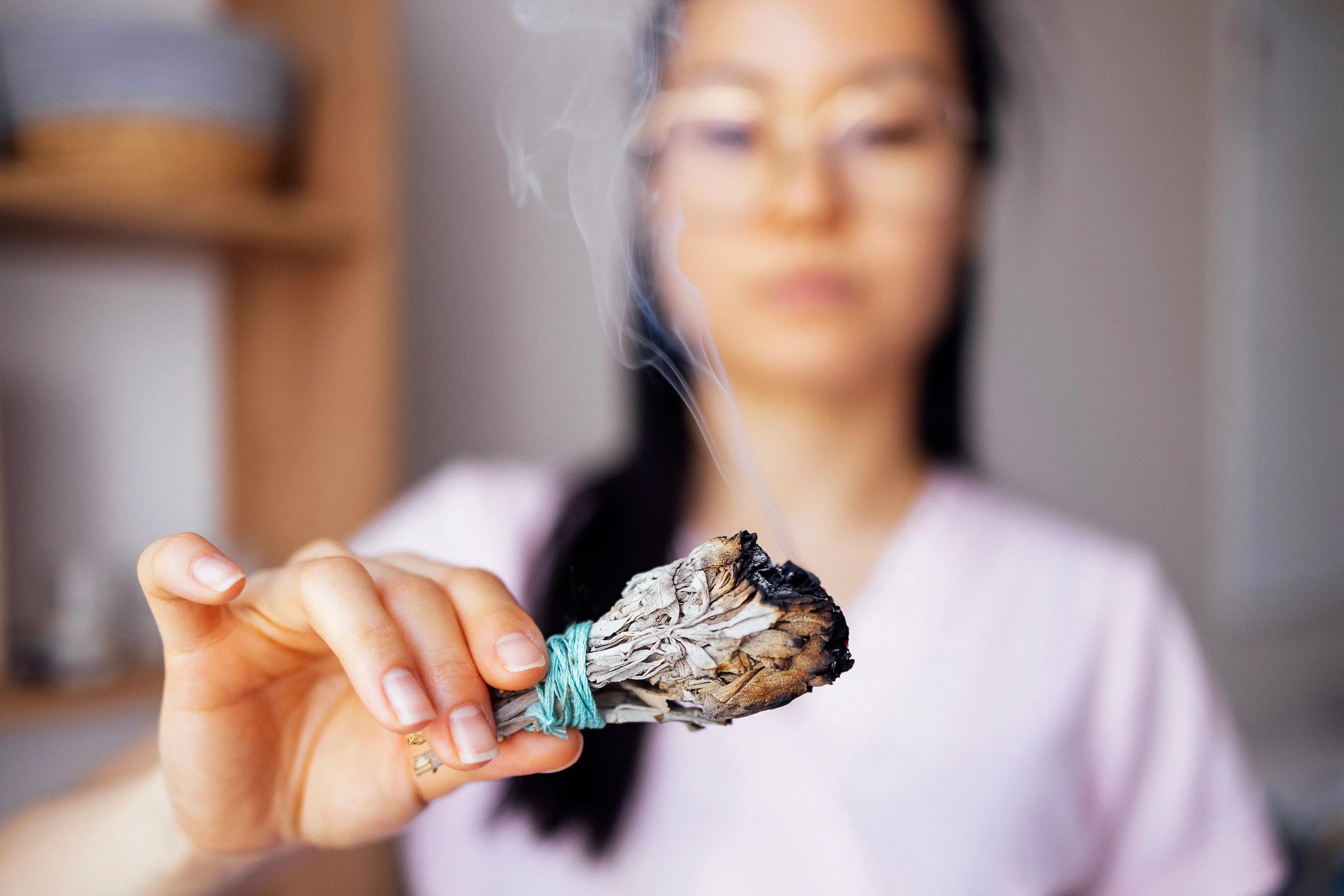
Your home affects how you feel. Clutter, stress, arguments, and daily pressure can change the atmosphere of a space. Many people notice tension in their environment after difficult weeks, lack of rest, or emotional stress.
Energy clearing rituals help create a calmer environment. Smudging is one of the most common practices used for this purpose. It involves burning herbs or botanical bundles while moving through your home with intention.
This guide explains how to smudge your house step by step. You will also learn the difference between white sage and botanical smudge sticks, how to use cleansing tools safely, and how to create a simple ritual that supports emotional balance.
What Does Smudging Mean?
Smudging is the practice of burning herbs or plant bundles to refresh the atmosphere of a space. Different cultures have used smoke cleansing practices for centuries during prayer, meditation, and spiritual rituals.
Today, many people use smudging to:
• Create a calm environment
• Mark a fresh start
• Support meditation or journaling
• Reset the atmosphere after stress
• Prepare a home for guests or important events
Smudging is often paired with grounding practices such as breathing exercises, crystals, or intention setting.
Why People Use Energy Clearing Rituals
Stress affects both the body and the environment around you. Research from the American Psychological Association shows that chronic stress can affect sleep, focus, and emotional regulation.
When stress builds over time, your environment may begin to feel heavy or distracting.
Energy clearing rituals help create structure and awareness. The process encourages you to pause, slow down, and reset your focus.
Many people choose to smudge their homes during:
• Seasonal changes
• Moving into a new house
• After illness or conflict
• Weekly cleaning routines
• Meditation practices
• Full moon rituals
White Sage vs Botanical Smudge Sticks
Many beginners start with white sage. However, botanical smudge sticks offer a different experience.
Understanding the difference helps you choose the right tool for your needs.
What Is White Sage?
White sage is traditionally used for purification rituals. It produces a strong earthy aroma and heavy smoke.
People often use white sage for:
• Deep space clearing
• Meditation preparation
• Ritual work
• Emotional reset practices
White sage burns slowly and creates a concentrated scent.
What Are Botanical Smudge Sticks?
Botanical smudge sticks combine herbs, flowers, eucalyptus, lavender, cedar, or rosemary into one bundle.
These blends create a softer aroma and a lighter smoke experience.
Botanical sticks are popular because they:
• Smell gentler than white sage
• Add floral or herbal notes
• Support relaxation routines
• Work well for beginners
• Pair easily with incense and crystals
The Smudging Stick with Floral Aroma, Eucalyptus, and White Sage combines cleansing herbs with calming botanicals. This makes it useful for daily or weekly rituals.
Benefits of Botanical Smudge Sticks
Botanical blends support both atmosphere and routine.
They Create a Softer Sensory Experience
Some people find pure white sage too strong. Floral and eucalyptus blends feel lighter and easier to use indoors.
They Support Relaxation
Lavender and eucalyptus are commonly used in calming routines. Aromatherapy research suggests that lavender scent may support relaxation and lower tension in some individuals.
They Encourage Consistent Rituals
Simple rituals work best when they feel approachable. Botanical bundles often encourage more frequent use because the scent feels balanced.
Tools You Need Before Smudging Your Home
You do not need a large setup.
Start with a few simple items.
Smudging Stick with Floral Aroma, Eucalyptus, and White Sage
This blend supports gentle cleansing and calming energy.
Peaceful Intentions Package with Palo Santo and Amethyst
Palo Santo produces a warm wood scent. Many people use it after smudging to create a calm atmosphere.
Amethyst is commonly associated with relaxation and emotional balance.
Hand Rolled Lavender Incense
Lavender incense works well during evening rituals, meditation, or journaling sessions.
Fire Safe Bowl or Dish
Always use a heat resistant container to catch ash.
Matches or Lighter
Keep your flame source nearby before beginning.

How to Prepare Your House for Smudging
Preparation helps the ritual feel structured.
Step 1 Physically Clean the Space
Remove clutter first.
Research shows physical clutter can increase stress and reduce focus. Start with basic cleaning.
Focus on:
• Floors
• Tables
• Entryways
• Bedroom surfaces
A clean environment supports a clearer routine.
Step 2 Open Windows
Fresh airflow matters.
Open at least one window in each room if possible. This allows smoke and stagnant air to move outward.
Step 3 Set an Intention
Before lighting your smudge stick, pause for one minute.
Choose one clear intention.
Examples include:
• I want calm in this space
• I release tension from this room
• I welcome peace and focus into my home
Keep the statement short.
Step by Step Guide on How to Smudge Your House
This process takes about 15 to 30 minutes depending on the size of your home.
Step 1 Light the Smudge Stick
Hold the botanical smudge stick at an angle.
Light the tip for 15 to 20 seconds.
Blow out the flame gently.
The bundle should produce a steady stream of smoke.
Step 2 Start at the Front Door
Begin at the entrance of your home.
Move clockwise through each room.
This keeps your process organized.
Step 3 Move the Smoke Slowly
Guide smoke into corners, doorways, and around furniture.
Corners often collect stagnant air and dust. Many people focus extra attention there during cleansing rituals.
Move slowly and breathe steadily.
Step 4 Speak Your Intention
Repeat your intention quietly while walking.
Examples:
• This space supports rest
• I release stress from this room
• Peace stays here
Simple phrases help maintain focus.
Step 5 Spend Extra Time in High Stress Areas
Focus longer on spaces where tension builds.
Examples:
• Home office
• Bedroom
• Living room
• Entryway
If an area feels emotionally heavy, pause there for several breaths.
Step 6 Close the Ritual
Return to the starting point.
Place the smudge stick in a fire safe bowl until fully extinguished.
Allow the windows to stay open for a few more minutes.
Using Palo Santo After Smudging
Many people follow smudging with Palo Santo.
The Peaceful Intentions Package combines Palo Santo with Amethyst, creating a calming follow up practice.
Why Use Palo Santo?
Palo Santo has a warm, wood based scent.
People often use it to:
• Create a peaceful atmosphere
• Support meditation
• Mark the end of a ritual
• Encourage emotional balance
Simple Palo Santo Practice
After smudging:
• Light the Palo Santo stick
• Allow it to burn for 20 seconds
• Blow out the flame
• Sit quietly for 5 minutes
Hold the Amethyst during breathing exercises if desired.
How Lavender Incense Supports Energy Clearing
Lavender incense works well for shorter daily rituals.
Unlike heavy smoke cleansing sessions, incense provides a lighter reset.
Best Times to Use Lavender Incense
• Before bed
• During journaling
• Before meditation
• During Sunday resets
• After stressful workdays
Hand rolled lavender incense also creates a calming sensory routine that encourages consistency.
Common Mistakes Beginners Make
Small mistakes can reduce the effectiveness of the experience.
Using Too Much Smoke
You do not need heavy smoke to clear a room.
Use small amounts and move slowly.
Forgetting Ventilation
Always open windows or doors when possible.
Rushing the Ritual
Moving too quickly removes focus from the process.
Take your time.
Ignoring Fire Safety
Never leave burning herbs unattended.
Always extinguish fully.
How Often Should You Smudge Your House?
There is no fixed rule.
Most people choose one of these schedules:
Weekly
Best for regular maintenance.
Monthly
Often paired with full moon rituals or seasonal resets.
After Stressful Events
Useful after arguments, illness, or emotional periods.
Before Guests or Gatherings
Many people clear their space before social events.
Choose a routine that feels manageable.
Signs Your Space May Need Energy Clearing
Some people notice patterns when their environment feels tense.
Common signs include:
• Difficulty relaxing at home
• Increased irritability
• Trouble focusing
• Heavy atmosphere in one room
• Poor sleep quality
• Feeling mentally drained indoors
A short ritual may help you reset your environment and routine.
Creating a Beginner Friendly Energy Clearing Ritual
You do not need a long ceremony.
Start with this 10 minute structure.
Simple Weekly Reset Routine
Step 1
Open windows.
Step 2
Light your botanical smudge stick.
Step 3
Move through each room slowly.
Step 4
Play calming music or sit in silence.
Step 5
Finish with lavender incense or Palo Santo.
Step 6
Write one intention for the week.
Consistency matters more than complexity.
Social Media Post Ideas for JOY
• How to smudge your house in 5 steps
• White sage vs botanical smudge sticks
• Best beginner tools for energy clearing
• Weekly home cleansing checklist
• How Palo Santo supports calming routines
Keep captions direct and under 150 words.

FAQs
How do I smudge my house for the first time?
Open windows, light your smudge stick, and move slowly through each room while focusing on a clear intention.
What is the difference between white sage and botanical smudge sticks?
White sage has a stronger earthy aroma. Botanical smudge sticks combine herbs and flowers for a softer scent and gentler experience.
How often should I cleanse my home energy?
Many people smudge weekly or monthly. Others do it after stressful events or major life changes.
Can I use incense instead of smudge sticks?
Yes. Incense provides a lighter cleansing option and works well for short daily rituals.
Are energy clearing rituals connected to mental wellness?
Structured rituals can support calm routines, emotional awareness, and stress reduction by encouraging mindful pauses and intentional habits.
Final Thoughts
Learning how to smudge your house does not need to feel complicated. Simple routines often work best. A botanical smudge stick, a clear intention, and a few quiet minutes can help your space feel calmer and more focused.
Start small. Choose one room. Use gentle breathing. Keep your routine consistent. Over time, these practices can help create a home environment that supports rest, clarity, and emotional balance.