



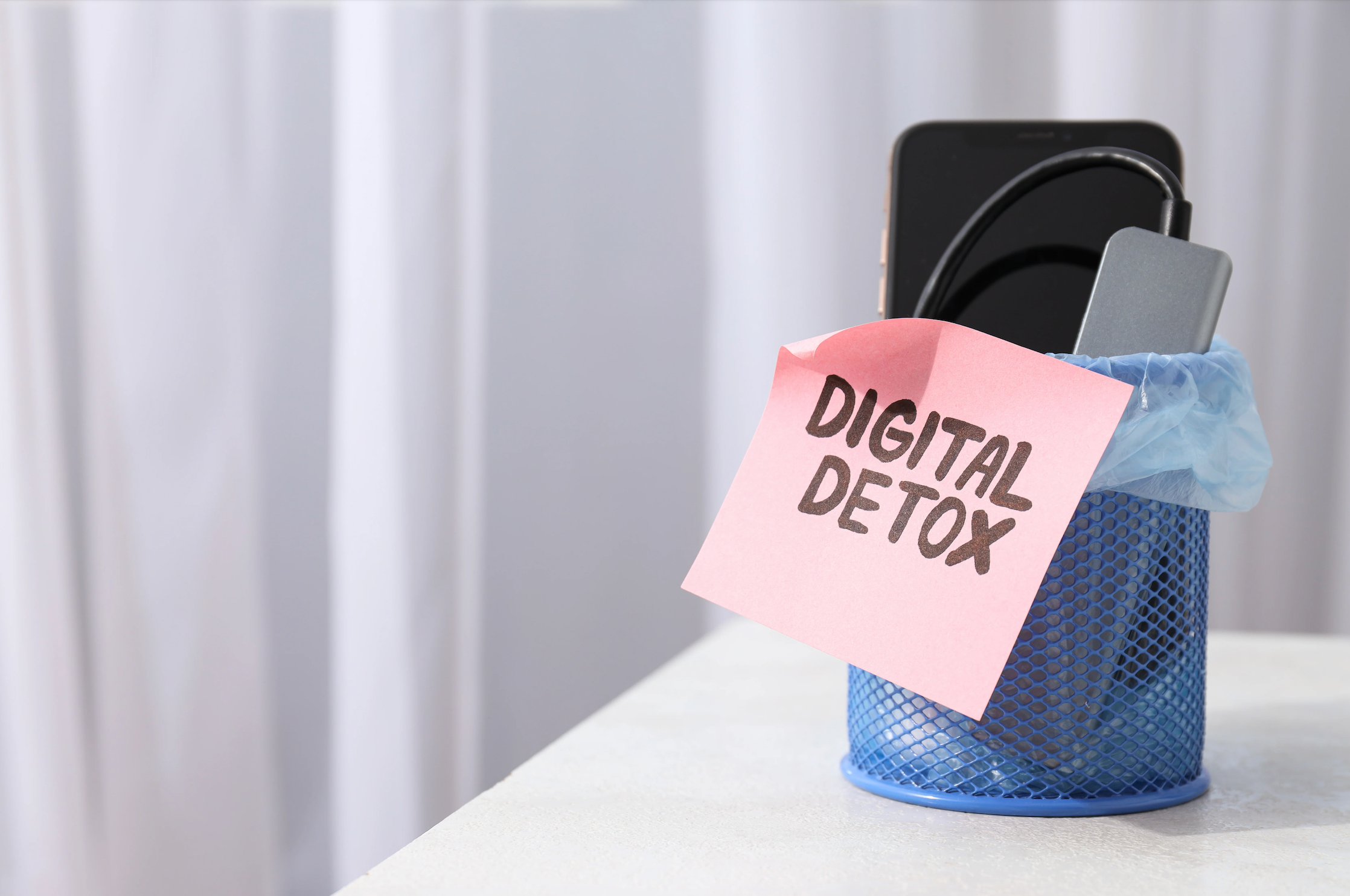
Screens dominate modern work and personal life. Many people start their day by checking their phone. They move between email, messaging apps, and digital calendars. This constant screen exposure affects focus and mental clarity.
More people now seek a digital detox. They want tools that reduce screen time and restore attention. One tool has returned to daily routines. The paper planner.
In 2026, paper planners are gaining renewed interest. People use them to plan their day, track goals, and reduce digital distraction. This article explains the benefits of paper planners, practical digital detox tips, and the key differences between analog vs digital productivity.
Why Digital Overload Is Increasing
Most adults spend several hours per day on screens. According to data from DataReportal, global internet users spend about 6 hours and 37 minutes online daily. A large portion of that time involves mobile devices.
Frequent device use creates several issues:
• Constant notifications interrupt focus
• Multitasking reduces productivity
• Screen fatigue increases mental exhaustion
• Digital clutter hides important priorities
Research from the University of California, Irvine found that it can take over 20 minutes to regain focus after a digital interruption. When interruptions occur repeatedly, productivity drops.
A digital detox does not require removing technology completely. It requires creating boundaries. Paper planners provide one simple boundary.
What Is a Digital Detox
A digital detox means reducing unnecessary screen interaction. You choose periods of time when you step away from digital devices. This allows your mind to rest and reset.
Many people begin with small changes:
• No phone use during the first hour of the morning
• One screen free hour before bed
• Paper based planning instead of phone reminders
These changes reduce cognitive overload. They also improve awareness of how you spend your time.
Benefits of Paper Planners for Focus and Mental Clarity
Paper planners offer several advantages when compared with digital planning tools. These benefits explain why many people return to analog systems.
Improved Memory Retention
Writing by hand activates multiple parts of the brain. It engages motor skills and memory processing. A 2014 study in Psychological Science found that handwritten note taking improved retention compared with typing.
When you write tasks in a paper planner, you remember them more clearly. This reduces repeated checking of your phone.
Fewer Digital Distractions
Digital calendars exist inside devices that host many distractions. Notifications, social media alerts, and email messages compete for attention.
A paper planner removes these interruptions. When you open it, you focus on one purpose. Planning your time.
Clearer Daily Priorities
Paper planners limit space. This natural limitation encourages shorter task lists. Short lists improve completion rates.
Instead of writing ten tasks, you select three key priorities.
Clear priorities improve analog vs digital productivity because your mind focuses on fewer goals.
Stronger Intentional Planning
Digital tools allow quick edits and automatic scheduling. While convenient, this can reduce awareness of your commitments.
Writing tasks by hand slows the process. You think carefully before filling your schedule. This supports mindful planning.
Analog vs Digital Productivity: Key Differences
Both systems have strengths. Understanding the differences helps you choose the right balance.
Digital Productivity
Digital systems include calendar apps, productivity software, and task management platforms.
Advantages:
• Automatic reminders
• Easy editing and rescheduling
• Cloud syncing across devices
• Collaboration tools for teams
Limitations:
• Frequent notifications
• Screen fatigue
• Overloaded task lists
• Reduced focus during planning
Analog Productivity
Analog systems rely on physical tools such as planners and notebooks.
Advantages:
• Reduced screen exposure
• Clear visual overview of tasks
• Stronger memory retention
• Greater planning awareness
Limitations:
• No automatic reminders
• Manual updates required
• Less convenient for group collaboration
Many people now use a hybrid approach. They schedule meetings digitally while planning daily priorities on paper.

How Paper Planners Support a Digital Detox
Paper planners encourage intentional device use. When planning moves offline, screen time decreases naturally.
Here is how this shift works.
Morning Planning Without Screens
Instead of opening your phone, you open your planner. You review the day before engaging with digital messages.
This protects your morning focus.
Reduced Notification Checking
When tasks sit in a planner, you do not need repeated digital reminders. You review your planner instead of checking apps.
Physical Tracking of Progress
Crossing off completed tasks creates visible progress. This physical feedback improves motivation.
Studies on habit tracking show that visible progress increases habit consistency.
How to Start Using a Paper Planner in 2026
Starting a paper planner routine is simple. Follow these steps.
Step 1: Choose a Simple Layout
Your planner should include:
• Daily task space
• Weekly overview
• Notes section
Avoid complicated layouts. Simple designs encourage daily use.
Step 2: Write Three Daily Priorities
Each morning, write three important tasks.
Example:
• Finish report draft
• Call project partner
• Exercise for 20 minutes
Completing three tasks builds momentum.
Step 3: Add Time Blocks
Divide your day into focused work periods.
Example:
• 9 to 10 AM planning
• 10 to 11 30 AM focused work
• 2 to 3 PM meetings
Time blocks reduce multitasking.
Step 4: Track Personal Habits
Add a small habit tracker to your planner.
Track actions such as:
• Water intake
• Exercise sessions
• Reading time
Tracking habits encourages consistency.
Step 5: Review Each Evening
Spend five minutes reviewing your planner.
Ask yourself:
• What did I complete
• What needs rescheduling
• What can I improve tomorrow
Daily reflection strengthens productivity awareness.
Digital Detox Tips You Can Start Today
A digital detox does not require extreme changes. Small adjustments improve focus.
Try these steps.
Limit Morning Screen Time
Avoid phones for the first 30 minutes after waking. Use this time for planning and quiet focus.
Turn Off Non Essential Notifications
Disable alerts from apps that do not require immediate attention.
Schedule Screen Free Blocks
Choose two periods each day where devices remain off.
Example:
• During meals
• Before bedtime
Use Paper for Planning
Move daily planning tasks to a paper planner. Check it several times per day.
These changes reduce digital dependency.
Social Media Content Ideas for JOY
Paper planners connect well with digital detox themes. Social media posts can highlight practical benefits.
Post Ideas:
• 3 benefits of paper planners for mental clarity
• How to start a 30 day digital detox challenge
• Analog vs digital productivity comparison
• 5 daily planning habits for focus
• Why writing tasks by hand improves memory
Caption Structure:
• Ask a question about screen habits
• Share one statistic about screen time
• Provide one planning tip
• Invite readers to explore JOY planners
Keep each post focused on one clear idea.

Building a 30 Day Paper Planner Habit
A simple habit plan increases consistency.
Week 1:
• Write three priorities daily
• Review planner morning and evening
Week 2:
• Add time blocking
• Track one personal habit
Week 3:
• Reduce morning phone use
• Add weekly planning session
Week 4:
• Review progress
• Adjust task limits
• Continue daily reflection
After 30 days, evaluate the change in screen time and productivity.
Frequently Asked Questions
Why are paper planners popular again in 2026
Many people experience digital fatigue. Paper planners reduce screen exposure and improve focus during planning.
Do paper planners really improve productivity
Yes. Writing tasks by hand improves memory retention and encourages intentional scheduling.
Should I stop using digital tools completely
No. Many people combine both systems. Use digital tools for meetings and communication. Use paper planners for daily priorities.
How often should I review my planner
Review it twice daily. Once in the morning to plan tasks. Once in the evening to assess progress.
What if I forget to use my planner
Place it where you will see it often. Keep it on your desk or near your morning routine.
Conclusion
Digital tools remain useful for communication and scheduling. However, constant screen exposure can reduce focus and increase stress.
Paper planners offer a simple alternative. They reduce digital distraction. They strengthen memory retention. They encourage thoughtful planning.
Using a paper planner supports a practical digital detox. You reduce screen time while improving clarity and productivity.
Start with a simple step. Write tomorrow’s three priorities in a planner tonight. Review them in the morning. Repeat daily.
Small consistent actions restore focus and structure.