



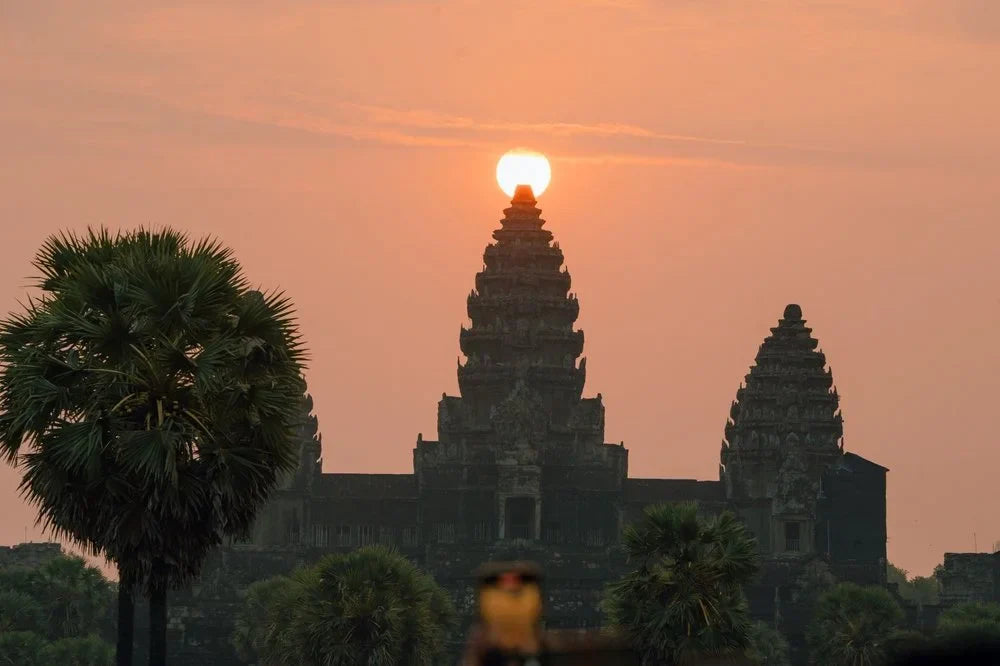
The arrival of autumn is one of the most beautiful shifts in nature. Leaves begin to change color, the heat of summer fades, and cooler evenings bring a sense of calm. At the heart of this seasonal change is the fall equinox. It is the moment when day and night are almost equal in length across the globe, marking the official start of autumn in the Northern Hemisphere.
But the fall equinox is more than just a date on the calendar. It is an astronomical event with deep roots in science, culture, and history. Understanding when it happens, why it happens, and what it means can give us a richer appreciation of our connection to the cosmos.
What Is the Fall Equinox?
The word equinox comes from Latin and means “equal night.” This describes the balance of light and dark that happens during this time. On the day of the fall equinox, the Sun’s rays shine directly on the equator, and both hemispheres of Earth receive nearly the same amount of daylight and darkness.
In the Northern Hemisphere, the fall equinox happens around September 22 or 23 each year. This is the point when the Sun crosses the celestial equator moving southward. It signals the official start of fall, which lasts until the winter solstice in December.
In the Southern Hemisphere, the timing is reversed. The equinox there takes place around March 20 or 21, beginning the season of autumn below the equator.
So, depending on where you live, the fall equinox marks either September or March. But the meaning is the same everywhere: it is a shift from longer days to longer nights, and it sets the stage for cooler months ahead.
Why Do We Have a Fall Equinox?
The fall equinox happens because Earth does not spin perfectly upright. Our planet is tilted at an angle of about 23.5 degrees on its axis. As Earth orbits around the Sun, this tilt means different regions receive varying amounts of sunlight throughout the year.
If Earth had no tilt at all, there would be no equinoxes, no solstices, and no seasons. The Sun would always appear directly above the equator, and every location on the planet would experience the same length of day and night year-round.
Instead, Earth’s tilt creates the familiar rhythm of spring, summer, autumn, and winter. The equinoxes occur at the moments in this orbit when the tilt of the Earth is positioned so that the Sun is shining directly over the equator.
During the fall equinox, the Northern Hemisphere begins to tilt away from the Sun, which is why days gradually grow shorter and nights longer. At the same time, the Southern Hemisphere tilts toward the Sun, entering its spring.

The Difference Between Solstices and Equinoxes
The words solstice and equinox both mark important points in Earth’s journey around the Sun, but they describe different events. A solstice happens when the Sun reaches its farthest point north or south of the equator. An equinox happens when the Sun is exactly above the equator.
-
Equinoxes: These happen twice each year, in March and September. On these days, day and night are nearly equal. The vernal equinox around March 21 marks the beginning of spring in the Northern Hemisphere, while the autumnal or fall equinox around September 23 marks the beginning of autumn.
-
Solstices: These also happen twice a year, in June and December. The June solstice is the longest day of the year in the Northern Hemisphere, marking the start of summer, while the December solstice is the shortest day, marking the start of winter.
In simple terms, the equinoxes are about balance, and the solstices are about extremes.
Why the Fall Equinox Matters
The fall equinox is not only a scientific milestone. For thousands of years, cultures around the world have recognized and celebrated this turning point in the year. Ancient civilizations built temples and monuments aligned with the equinox Sun. Farmers used it as a guide for harvest times. Spiritual traditions see it as a moment of balance, gratitude, and preparation for the darker months ahead.
Even today, many people honor the equinox as a time to reflect, reset, and embrace change. It is both an astronomical event and a symbolic one.

Key Dates for the Fall Equinox
Here is a quick look at how the equinox fits into the annual seasonal cycle in the Northern Hemisphere:
-
Vernal Equinox (around March 21): Marks the beginning of spring.
-
Summer Solstice (June 20 or 21): The longest day of the year, starting summer.
-
Fall Equinox (around September 22 or 23): Day and night are equal, beginning autumn.
-
Winter Solstice (December 21 or 22): The shortest day of the year, starting winter.
This cycle repeats every year, shaped by Earth’s tilt and orbit.
A Moment of Balance
One of the most beautiful ideas about the fall equinox is balance. For just a brief time, the whole planet experiences something close to equality between day and night. Afterward, the balance shifts. In the Northern Hemisphere, darkness slowly outweighs light, while in the Southern Hemisphere, light grows stronger as spring unfolds.
This balance has inspired countless traditions, from harvest festivals to spiritual rituals. It is a reminder that cycles of change are natural and that balance is always a part of life.
Cultural and Historical Celebrations of the Fall Equinox
Throughout history, people have looked to the sky to track the changing seasons. The fall equinox has been honored in different ways across cultures because it signaled important changes in agriculture, weather, and spiritual life.
Ancient Monuments and Alignments
Many ancient civilizations built monuments aligned with the Sun’s path during equinoxes. In Mexico, the Mayan pyramid at Chichen Itza is famous for its equinox “serpent.” On these days, shadows fall in such a way that a snake-like pattern seems to slither down the steps. This display was both a scientific marker and a spiritual event.
In England, Stonehenge is aligned with both solstices and equinoxes, showing how important these turning points were to early societies. These structures were not only calendars but also sacred sites where people gathered to honor the cycles of nature.
Harvest Festivals
For farming societies, the fall equinox was a clear signal that harvest season had arrived. Communities celebrated with festivals, feasts, and rituals to give thanks for crops and prepare for winter. In many cultures, these celebrations emphasized gratitude, balance, and community.
For example, in East Asia, the Mid-Autumn Festival falls close to the equinox and celebrates the harvest moon. Families gather to share food and admire the full moon, which appears especially bright around this time of year.
Spiritual and Pagan Traditions
In Pagan and Wiccan traditions, the fall equinox is celebrated as Mabon, one of the eight Sabbats in the Wheel of the Year. It represents a time of balance between light and dark, as well as a moment of thanksgiving for the earth’s abundance. Rituals often include offering food, decorating altars with autumn colors, and reflecting on personal balance in life.
The Science Behind Earth’s Tilt and Orbit
While the cultural celebrations are fascinating, the science behind the fall equinox is just as remarkable.
Earth orbits the Sun in about 365 days, but its axis is tilted at 23.5 degrees. This tilt is the key reason we have seasons. As Earth makes its journey around the Sun, the tilt causes different regions of the planet to lean toward or away from sunlight at different times.
How Seasons Work
When the Northern Hemisphere is tilted toward the Sun, it experiences summer, with longer days and stronger sunlight. At the same time, the Southern Hemisphere is tilted away, experiencing winter. Six months later, the situation reverses.
At two points in the year, the tilt positions Earth so that sunlight hits the equator directly. These are the equinoxes, in March and September. At those moments, the length of day and night is nearly equal all over the world.
Why Days and Nights Are Equal
The word equinox literally means “equal night.” Around this time, every part of Earth experiences close to 12 hours of daylight and 12 hours of darkness. The balance is not exact everywhere because of atmospheric refraction and the way sunrise and sunset are measured, but it is as close as nature gets to equality between day and night.
Solstice vs Equinox in Simple Terms
Think of the solstice as the extremes of the year, when the Sun is farthest north or south. Think of the equinox as the balance point, when the Sun is directly above the equator. Both events are markers in Earth’s orbit, but they serve very different roles in the seasonal cycle.
Fall Equinox Traditions Today
Even though we live in a modern world, many people continue to honor the fall equinox in meaningful ways.
Celebrations and Gatherings
Communities often host harvest festivals, yoga events, and wellness retreats around the equinox. These gatherings focus on gratitude for nature’s gifts, healthy living, and finding personal balance.
Personal Reflection
On a personal level, many people treat the equinox as a time to reset. Because it symbolizes balance, it can inspire reflection on areas of life that need harmony. Some people journal, meditate, or set intentions for the coming months.
Connection to Nature
Others simply use the equinox as a reminder to get outside. Watching the sunrise or sunset, hiking in fall colors, or enjoying seasonal foods like apples and pumpkins are simple ways to connect with the meaning of this time.
Why the Fall Equinox Feels Special
There is something deeply grounding about knowing that people around the world are experiencing the same cosmic event at the same time. Whether you live in a bustling city or a quiet countryside, the balance of light and dark unites us all.
The equinox also signals change, and change often brings reflection. As days shorten and nights lengthen in the Northern Hemisphere, we naturally slow down and prepare for the quieter months ahead. In the Southern Hemisphere, people feel the opposite energy, stepping into spring with renewed vitality.
This duality of experiences shows how interconnected and dynamic our planet truly is.
The 2025 Fall Equinox
Each year, the fall equinox happens at slightly different times, but it always falls around late September in the Northern Hemisphere. In 2025, the fall equinox will take place on September 22. On this day, the Sun will be exactly above the equator, creating nearly equal hours of day and night across the globe.
This astronomical event signals the official beginning of autumn in the Northern Hemisphere. From this point forward, days will continue to shorten, and nights will grow longer until the winter solstice in December. Meanwhile, in the Southern Hemisphere, September 22 marks the beginning of spring, as their days become longer and brighter.
The 2025 fall equinox is not just another date on the calendar. It is part of the greater seasonal cycle that connects us all. People often use this day as a reminder to honor the balance of nature and to find ways to bring that balance into their own lives.
How to Celebrate the Fall Equinox in Modern Times
While ancient cultures built monuments and held harvest feasts, you do not need a pyramid or a massive stone circle to celebrate the equinox today. Here are some meaningful and accessible ways to connect with this special day in 2025:
1. Watch the Sunrise or Sunset
One of the simplest ways to honor the equinox is to step outside and watch the Sun rise or set. On this day, the Sun’s path is especially balanced, and the light carries symbolic meaning.
2. Create a Gratitude Ritual
The equinox is often seen as a time of harvest, not just for crops but for personal growth. Write down things you are grateful for in the past year and set intentions for the months ahead.
3. Enjoy Seasonal Foods
Eating foods that are in season is a beautiful way to connect with the natural cycles. In the Northern Hemisphere, this could mean apples, squash, pumpkins, or hearty grains. Sharing a meal with family or friends reinforces the theme of abundance and community.
4. Practice Yoga or Meditation
Many wellness traditions link the equinox to balance. A yoga flow that emphasizes grounding poses or a meditation focused on inner harmony can help you align with the energy of the day.
5. Decorate with Autumn Colors
Simple actions like adding candles, leaves, or seasonal flowers to your home can make the equinox feel special. These decorations act as a visual reminder of the transition from summer to fall.

Why the Fall Equinox Inspires Reflection
The equinox is more than a physical event. It carries a sense of symbolism that speaks to many people. At its core, the fall equinox is about balance. Day and night are nearly equal, light and dark share the stage, and the world feels momentarily steady.
For those in the Northern Hemisphere, this balance tips quickly toward darkness, inviting us to slow down, conserve energy, and prepare for winter. For those in the Southern Hemisphere, it is the opposite, a season of new beginnings and growth.
This duality reminds us that change is constant, and balance is always temporary. It encourages us to embrace the natural flow of life instead of resisting it.
The Fall Equinox in the Cycle of the Seasons
To fully understand its place in the year, it helps to see the equinox as part of the larger seasonal cycle:
-
March Equinox (around March 21): Marks the beginning of spring in the Northern Hemisphere and fall in the Southern Hemisphere.
-
June Solstice (June 20 or 21): The longest day of the year in the Northern Hemisphere, starting summer, while the Southern Hemisphere enters winter.
-
September Equinox (September 22 or 23): The fall equinox for the Northern Hemisphere and the start of spring for the Southern Hemisphere.
-
December Solstice (December 21 or 22): The shortest day of the year in the Northern Hemisphere, beginning winter, and the longest day in the Southern Hemisphere, beginning summer.
The 2025 fall equinox is part of this repeating cycle, one that has shaped human life, culture, and even survival for centuries.
A Global Moment of Connection
One of the most powerful things about the equinox is that it happens everywhere on Earth at the same time. While the exact clock time differs depending on your location, the astronomical moment is shared across the planet.
This shared experience connects humanity in a unique way. No matter where you are, whether you are stepping into autumn or spring, you are participating in the same cosmic event. It is a reminder that we all share the same Sun, the same Earth, and the same cycles of time.
Conclusion
So, when is the fall equinox? In 2025, it arrives on September 22, a moment when day and night are nearly equal, and the world pauses in balance. But the deeper meaning goes far beyond the date.
The fall equinox is both science and symbolism. It is a precise astronomical event caused by Earth’s tilt and orbit, and it is also a cultural and spiritual milestone that has been celebrated for thousands of years. From ancient monuments to modern wellness rituals, it has inspired people to honor balance, gratitude, and the cycles of nature.
As you experience the fall equinox in 2025, take a moment to reflect on your own life. Where can you find balance? What are you ready to harvest, and what are you ready to release? By aligning yourself with the rhythm of the seasons, you step into a deeper connection with the Earth and with yourself.
The equinox reminds us that light and dark, growth and rest, beginnings and endings are all part of the same beautiful cycle. And in that cycle, there is always balance, even if only for a brief moment each year.